

Gaming: Stress Relief or Distraction? The Adult's Clarity Compass
Unmasking Your After-Work Escape: Relief or Just a Reset Button?
You just closed your laptop, brain fried, and the gamepad is calling. But is that hour of Apex Legends truly stress relief, or just another way to postpone tomorrow's anxiety? Most ambitious professionals turn to gaming as a mental escape from after work stress. The problem isn't the gaming itself; it's mistaking a temporary distraction for genuine decompression. You think you're unwinding, but often you're just hitting reset on your mental state, not improving it.
You need a better way to gauge your adult gaming dilemma. This article gives you "The Clarity Compass," a unique framework designed to help you self-assess your habits. You'll learn how to differentiate true relief from mere distraction, guiding you toward more mindful, beneficial play.
The Clarity Compass: Charting Your Path to Mindful Play
Most adults game to unwind, but few truly understand if their habit is actually helping them or just hitting a temporary pause button. The Clarity Compass is your internal framework for self-assessment, designed to separate genuine stress relief from mere distraction. It forces you to ask: Am I actively engaging, or just passively consuming?
Genuine stress relief gaming isn't about mindless clicking; it's about specific mechanics that engage your brain positively. This means you're developing skills, solving problems, and sometimes, connecting with others. The goal is a temporary escape that leaves you feeling better, not just less stressed for an hour.
Here’s what truly defines mindful gaming for stress relief:
- Active Engagement: You're making decisions, solving puzzles, or strategizing. Think games like Factorio, where you design complex automated factories, or Chess.com, which demands constant tactical thinking. This is a key stress relief mechanic.
- Flow States: You lose track of time because you're deeply immersed. This "flow state gaming" means the challenge matches your skill, pulling you in completely. Studies show flow states reduce anxiety and boost feelings of accomplishment.
- Skill Development: You're getting better at something. Whether it's improving your aim in Valorant, mastering a new recipe in Cooking Simulator, or learning complex build orders in StarCraft II, visible progress is a powerful psychological boost.
- Social Connection: Playing with friends in games like Among Us or coordinating raids in World of Warcraft provides social interaction, combating loneliness and fostering camaraderie. This isn't just communication; it's shared problem-solving.
- Sense of Accomplishment & Control: You overcome challenges, complete quests, or build something from scratch. This translates into a feeling of agency, which directly counteracts the powerlessness many feel after a demanding workday. Finishing a tough boss in Elden Ring, for example, delivers a tangible win.
These elements provide significant cognitive benefits of gaming. Active engagement offers a cognitive challenge, redirecting mental energy from work worries to in-game problems. Achieving flow states provides emotional release, allowing your mind to switch gears completely. Social bonding through cooperative play fulfills a fundamental human need. This isn't just a temporary escape; it's a positive return on your time investment, leaving you refreshed and with a clearer head.
Contrast this with passive consumption. If you're just endlessly scrolling through social media, watching repetitive streams, or "grinding" in an MMO without any real goal or social interaction, you're likely distracting yourself, not de-stressing. That kind of aimless play can leave you feeling emptier, not recharged. For instance, spending three hours mindlessly collecting resources in Runescape without any specific objective or social engagement rarely provides the same mental refresh as actively strategizing your next move in Slay the Spire.
The Clarity Compass asks you to measure your gaming against these criteria. Are you genuinely engaging your mind and skills, or just letting the screen wash over you? Your answer determines if you're finding true relief or just postponing real life.
When the Escape Becomes a Trap: Identifying Distraction Gaming
The Clarity Compass helps you find genuine relief, but it also reveals when gaming becomes mere distraction. Distraction gaming isn't about recharging; it's about checking out. You engage mindlessly, avoiding real-world problems instead of tackling them, and often feel worse or unfulfilled after your session. This type of play frequently means neglecting responsibilities. That urgent email sits unread, the gym session gets skipped, or you blow past bedtime, trading vital sleep for another hour of screen time. It's a temporary mental vacation that ultimately leaves you with more stress, not less. The core issue with distraction gaming lies in its psychological mechanisms, particularly the dopamine cycle gaming creates. Games are meticulously designed to deliver small, immediate hits of dopamine. Think about completing a quest, winning a match, or even just finding a rare item — each provides a quick, satisfying reward. This burst of pleasure feels good in the moment, offering a powerful, albeit temporary, escape from reality. It's a highly effective feedback loop that keeps you coming back. These quick, frequent dopamine hits perpetuate a cycle of avoidance. Instead of confronting the actual stressor — perhaps a looming work deadline, a difficult personal conversation, or mounting financial pressure — your brain learns to seek the easier, more immediate gratification offered by the game. This becomes a potent form of escapism through gaming, providing a mental 'off-ramp' from your problems. The critical flaw? It doesn't resolve anything. The real issues simply wait for you, often magnified by the time, energy, and mental bandwidth you've already expended. This leads directly to the 'stress-rebound' effect. While you might experience a temporary lull or a sense of peace during intense gameplay, once you log off, the accumulated real-world stress, coupled with potential guilt or regret from time spent, crashes back. You're left feeling more agitated, less rested, and critically, no closer to solving the original problems you sought to avoid. It’s a net negative. Identifying unhealthy gaming habits is crucial. If you notice these gaming addiction signs, it’s time to reassess:- You spend more time gaming than you intend, routinely blowing past your own limits.
- Increased irritability or restlessness when you can't play or are forced to stop.
- Neglecting sleep, exercise, or healthy eating to extend gaming sessions.
- Financial strain from in-game purchases, new hardware, or neglecting work for play.
- A constant craving or preoccupation with gaming, even when doing other activities.
- Repeated unsuccessful attempts to cut back or control your gaming time.
- Choosing gaming over social events, family time, or important responsibilities.
Recalibrating Your Controller: Practical Steps for Mindful Gaming
Most adults game reactively. They finish work, grab the controller, and play until they're tired, often without thinking about *why* they're playing. That's a direct path to distraction, not genuine stress relief. To make gaming work for you, not against you, you need to be proactive. These are the mindful gaming strategies that turn your playtime into a deliberate, beneficial choice.
-
Set Clear Intentions Before You Start
Don't just boot up your console. Before you even press the power button, decide why you're gaming and for how long. Are you connecting with friends, solving a puzzle, or unwinding after a tough meeting? State your purpose and a strict time limit. This is about establishing intentional play from the jump.
Instead of thinking, "I'll just play some *Destiny 2*," declare, "I'm going to play two rounds of *Crucible* with my clan for 45 minutes to blow off steam." This small shift in mindset dramatically impacts how you experience the session and how you feel afterward.
Choose Games Strategically for Relief, Not Addiction
These encourage active engagement and provide a deeper sense of accomplishment.
For example, if you're seeking mental decompression, a session building a city in *Cities: Skylines* or tending your farm in *Stardew Valley* provides a creative outlet and a sense of control. An hour in *Portal 2* challenges your brain in a positive way. Compare that to mindlessly grinding levels in an MMORPG, which often delivers dopamine hits without genuine fulfillment.
Implement Strict Time Management Strategies
Setting gaming boundaries is non-negotiable for intentional play. Relying on willpower alone fails most people. Use external tools to enforce your limits. Treat your gaming time like any other appointment.
Set a kitchen timer for 60 minutes. Use the built-in screen time limits on your PlayStation or Xbox, which can automatically shut down after a set duration. Consider a smart plug, like a Kasa Smart Plug, to cut power to your console or PC at a specific time. Schedule your gaming rather than letting it spontaneously consume your evening; book it in your calendar from 8 PM to 9 PM, then stop.
Practice Post-Gaming Reflection
The moment you step away from the screen is crucial for identifying if your gaming was relief or distraction. Immediately ask yourself two direct questions: "How do I feel right now?" and "Did this session serve my well-being?" Be brutally honest with yourself.
If you feel refreshed, mentally clearer, or genuinely connected with friends after an hour of *Valheim*, that's a win. If you feel drained, guilty, more stressed, or behind on other tasks after two hours of solo *Apex Legends*, you know you crossed into the distraction trap. This post-gaming reflection builds self-awareness and reinforces positive habits.
Create a Gaming Environment Conducive to Relaxation, Not Isolation
Your physical setup impacts your mental state. Ensure your gaming space promotes relaxation, not further isolation or mental clutter. Good lighting, comfortable ergonomic seating, and a clear distinction from your work area are crucial.
If gaming is your primary social outlet, ensure it involves actual social interaction. Playing with friends using voice chat on a good headset like the HyperX Cloud Alpha is different from anonymously queuing solo for hours. If you find yourself in a dark room, alone for extended periods, consider moving your setup to a more open, brighter space or limiting those solitary sessions to truly focused, single-player experiences.
These mindful gaming strategies shift gaming from a default habit to a deliberate choice. You take control, ensuring your time with the controller genuinely supports your well-being, rather than becoming another source of stress or avoidance.
Beyond the Screen: Integrating Holistic Stress Relief Strategies
Gaming gives you a solid way to unwind, but it's just one tool in your mental health arsenal. Relying solely on games for stress relief is like trying to build a house with only a hammer. You need a full toolbox to construct a truly resilient mental state. This section shows you how to integrate gaming with other powerful well-being practices, creating a robust system for managing stress. A balanced approach to stress relief builds a stronger, more adaptable mind. Think of it as diversifying your emotional portfolio. When one method isn't quite hitting the mark, you have others to fall back on. This strategy prevents burnout and ensures you're addressing stress from multiple angles, leading to more sustainable `holistic stress management`. Here are key `non-gaming stress relief` practices to complement your play sessions:- Physical Activity: A 30-minute brisk walk or a high-intensity workout releases endorphins and reduces cortisol. It’s a direct biological counter to stress.
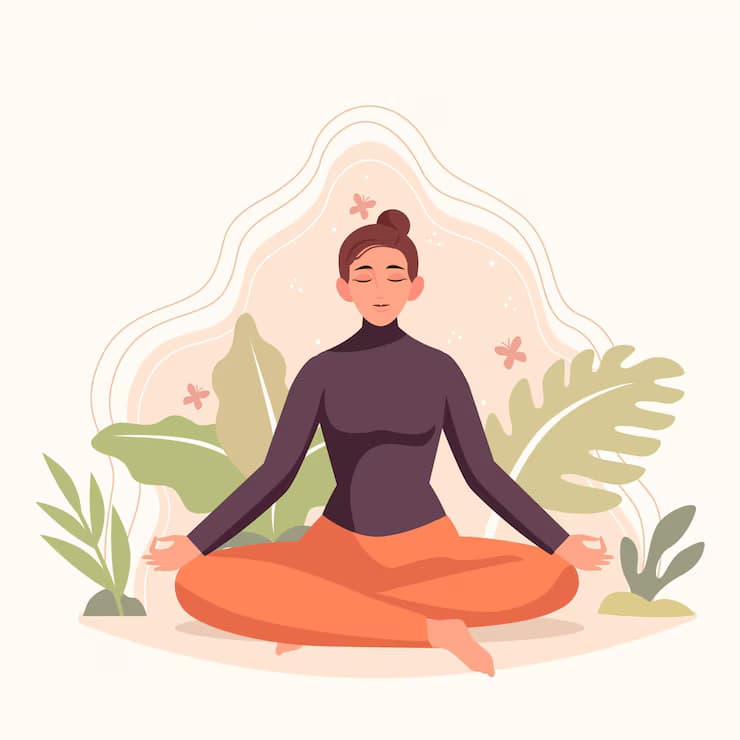
- Mindfulness & Meditation: Apps like Calm or Headspace offer guided sessions as short as five minutes. Even just focusing on your breath for a few minutes can reset your nervous system.
- Social Connection (Non-Gaming): Meet friends for coffee, call family, or join a local club. Real-world interaction fulfills a different, crucial social need than online multiplayer.
- Creative Hobbies: Painting, writing, playing an instrument, or even cooking can shift your brain into a different gear, fostering a sense of accomplishment and flow outside of a digital context.
- Adequate Sleep: Most adults need 7-9 hours of sleep per night. Consistent, quality sleep is foundational to emotional regulation and stress resilience.
- Professional Support: If stress feels overwhelming, therapy or counseling provides tools and strategies. Platforms like BetterHelp or local mental health services offer accessible options.
The Common Pitfalls: Why 'Just Playing More' Fails as Stress Relief
Most adults think more gaming means less stress. That's a myth. Piling on hours doesn't automatically dissolve anxiety or fatigue. In fact, for many, an increase in play time without clear intention leads straight into common gaming pitfalls that make stress worse, not better. One major issue is **emotional numbing gaming**. People often use games to avoid uncomfortable feelings. Had a brutal meeting? Boss chewed you out? Instead of reflecting or processing, you might jump into hours of *Call of Duty* or *Stardew Valley*. The game provides a temporary distraction, a dopamine hit, but the underlying emotions don't vanish. They just get shoved aside, only to resurface later, often stronger, when you're no longer immersed. This isn't stress relief; it's delayed emotional reckoning. Another trap is the **sunk cost fallacy gaming**. You've invested hundreds of hours into an MMO like *World of Warcraft* or *Final Fantasy XIV*. You've raided with your guild for years, poured thousands into cosmetics, and climbed leaderboards. Now, playing feels like a chore, not fun. It's a second job. But you keep going because you've already put so much in. That time and effort feel too valuable to abandon, even if the game actively drains your energy and makes you miserable. You're playing out of obligation, not enjoyment, and that generates real stress. Then there's **competitive gaming stress**. For some, jumping into ranked *League of Legends* or *Valorant* after a stressful day sounds like a way to blow off steam. Often, it does the opposite. The pressure to perform, toxic teammates, and crushing losses can amplify your existing anxiety. Instead of relaxing, you end up more agitated, heart racing, and frustrated. The goal was relief, but the outcome is often heightened stress and a worse mood. Here are the specific ways "just playing more" can backfire:- Avoidance, Not Resolution: You're running from your problems, not solving them. The stress is still there, waiting.
- Increased Sedentary Behavior: More screen time often means less physical activity, which is a known stress reducer.
- Sleep Disruption: Late-night gaming messes with your circadian rhythm, leading to poorer sleep quality and increased irritability.
- Neglected Responsibilities: Pushing off chores, work, or social commitments for gaming creates more stress down the line.
- Social Isolation: While some games are social, excessive gaming can replace real-world connection, leading to feelings of loneliness.
Reclaim Your Play: Gaming as a Force for Well-being
You've just seen the difference: gaming isn't inherently good or bad. It's how you play. It's a powerful force, ready to either sharpen your mind and truly de-stress you, or just help you burn hours without real benefit. The choice is yours, and you now have the ultimate guide: The Clarity Compass. This framework gives you the power to transform every gaming session. It's not about cutting back or feeling guilty; it's about smart choices that serve your actual goals.
You're an ambitious professional. You optimize your finances, your career, your health. So why leave your critical downtime to chance? Empowered gaming means approaching your screen with purpose. Before you press 'start,' ask yourself: 'What's the real win here? Am I seeking genuine stress relief, or am I just avoiding a task?' This intentional well-being approach shifts gaming from a passive habit to an active component of your personal growth.
True mindful recreation demands self-awareness. It means understanding what genuinely rejuvenates you versus what simply provides a fleeting escape. When you apply the Clarity Compass, you stop guessing. You start playing smarter. You pick games that build connection, challenge your mind, or truly let you unwind, without the post-session slump.
Your controller isn't just a toy; it's a tool. A serious tool, actually. Wield it with intention. Use it to build genuine well-being, cultivate sharper focus, or forge stronger social bonds. Don't just let it pass the time; make that time count for something real. You're too smart to settle for anything less than optimized play.
Frequently Asked Questions
How can I tell if my gaming is truly stress relief or just a distraction?
True stress relief leaves you feeling refreshed, mentally clearer, and more ready to engage with real-world tasks; a distraction often makes you feel guilty, drained, or just delays confronting responsibilities. After gaming, honestly assess if your mood has genuinely improved and if you're not just avoiding something you know you should be doing.
What types of games are most effective for genuine stress reduction?
Games that promote a "flow state" without high stakes or intense competition are best for genuine stress reduction. Look for creative builders like Minecraft, cozy simulation games such as Stardew Valley, or engaging puzzle titles like Portal. Avoid anything with ranked play or high emotional investment if de-stressing is your primary goal.
Can gaming ever worsen my stress or anxiety levels?
Absolutely; highly competitive multiplayer games or those with punishing mechanics can significantly elevate stress and anxiety. Your heart rate and cortisol levels can spike during intense ranked matches in titles like Call of Duty or League of Legends. If you find yourself playing out of frustration or obligation rather than enjoyment, it's likely worsening your mental state.
Beyond gaming, what other quick methods can adults use to de-stress after work?
Engage in short, focused activities that actively shift your mental state away from work-related thoughts. Try a 10-minute brisk walk outside, listen to a carefully curated music playlist, or use a guided meditation app like Calm or Headspace (free trials available) for a quick mental reset. The goal is a deliberate break, not just another form of passive consumption.









Responses (0 )